

Granite Creek Ghost Town
Granite Creek, British Columbia: The Rise and Fall of a Gold Rush Town
Once one of British Columbia's largest communities, Granite Creek is now a ghost town where little remains of its remarkable past.
In the Similkameen region of British Columbia, near the community of Coalmont, are the remains of a town that was once alive with gold miners, merchants, cowboys and fortune seekers.
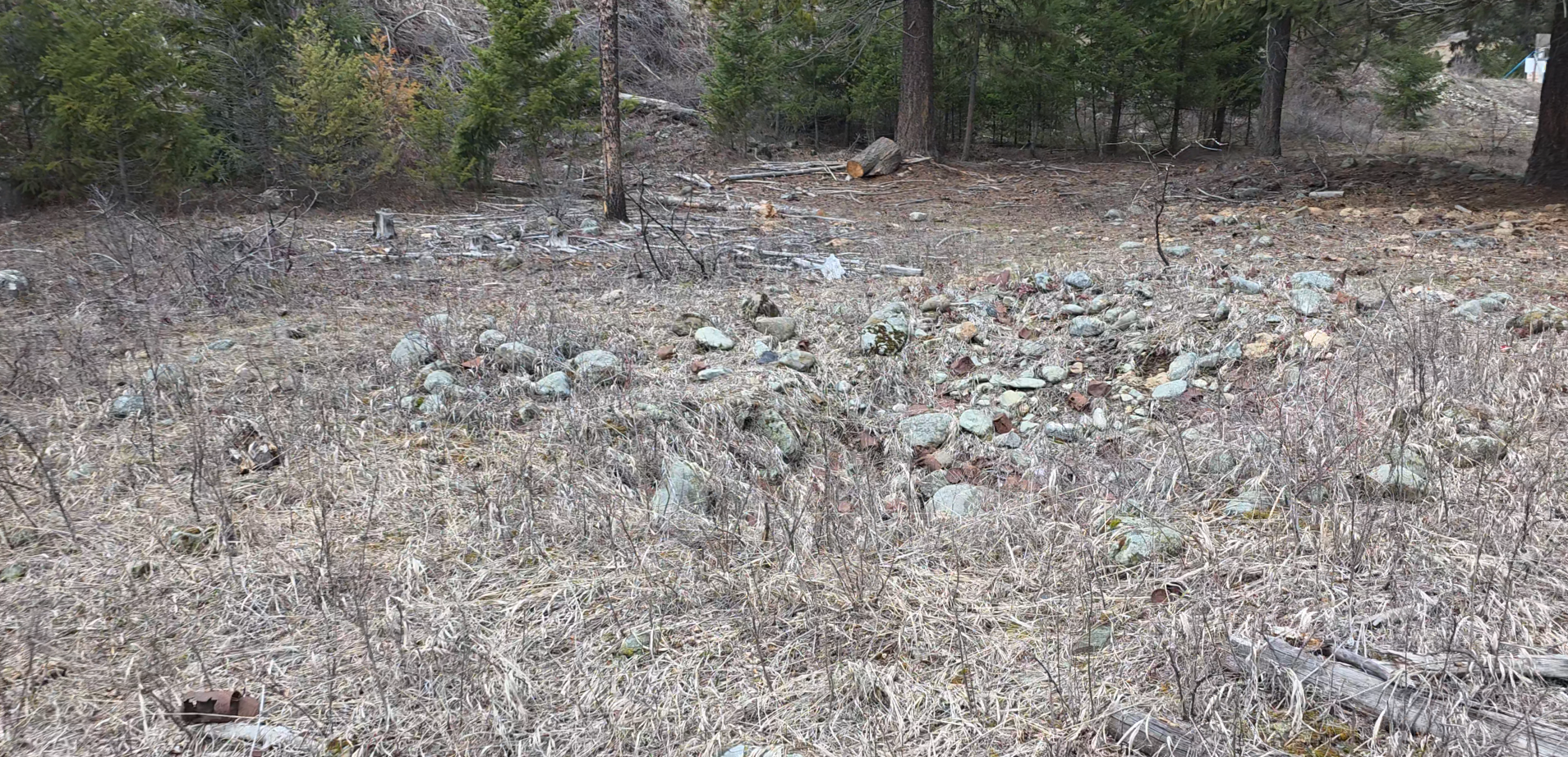
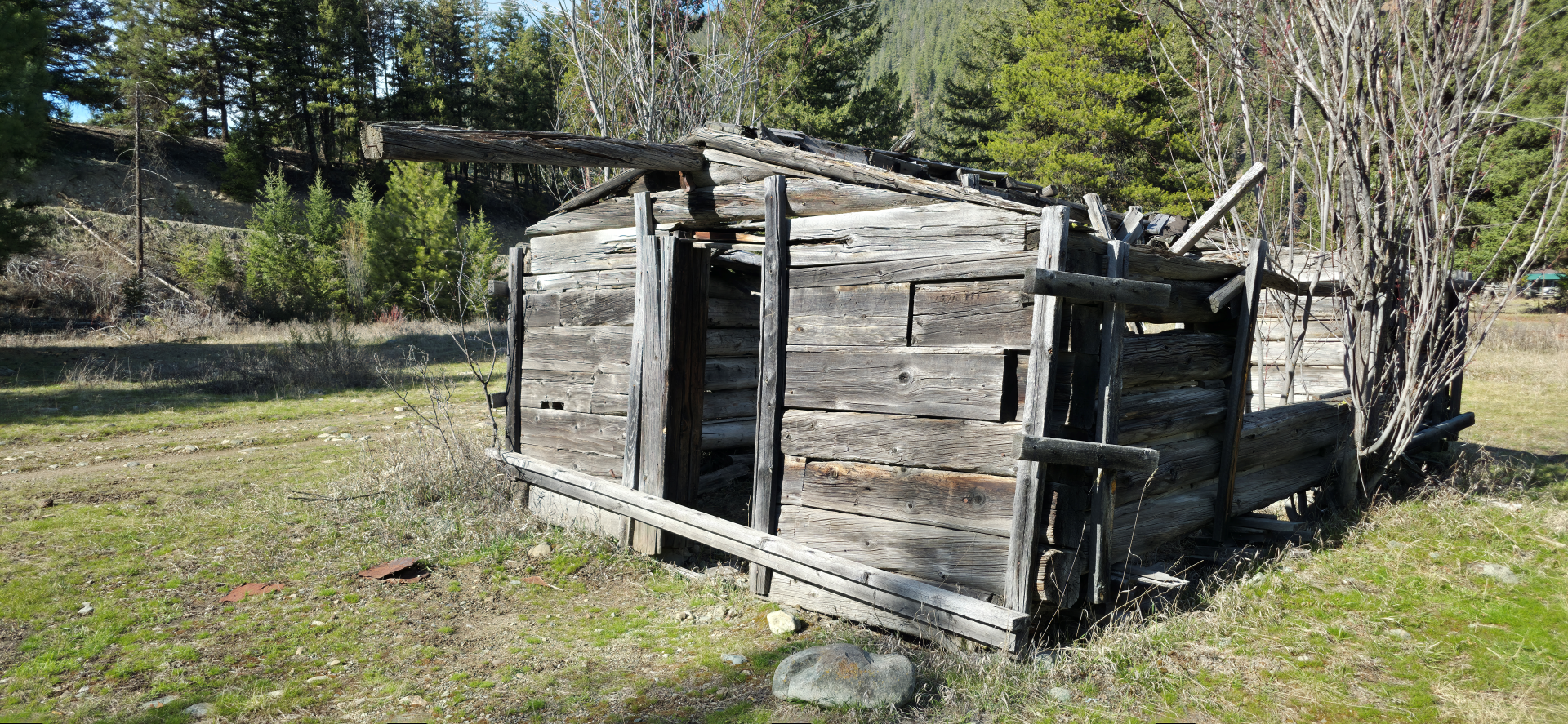
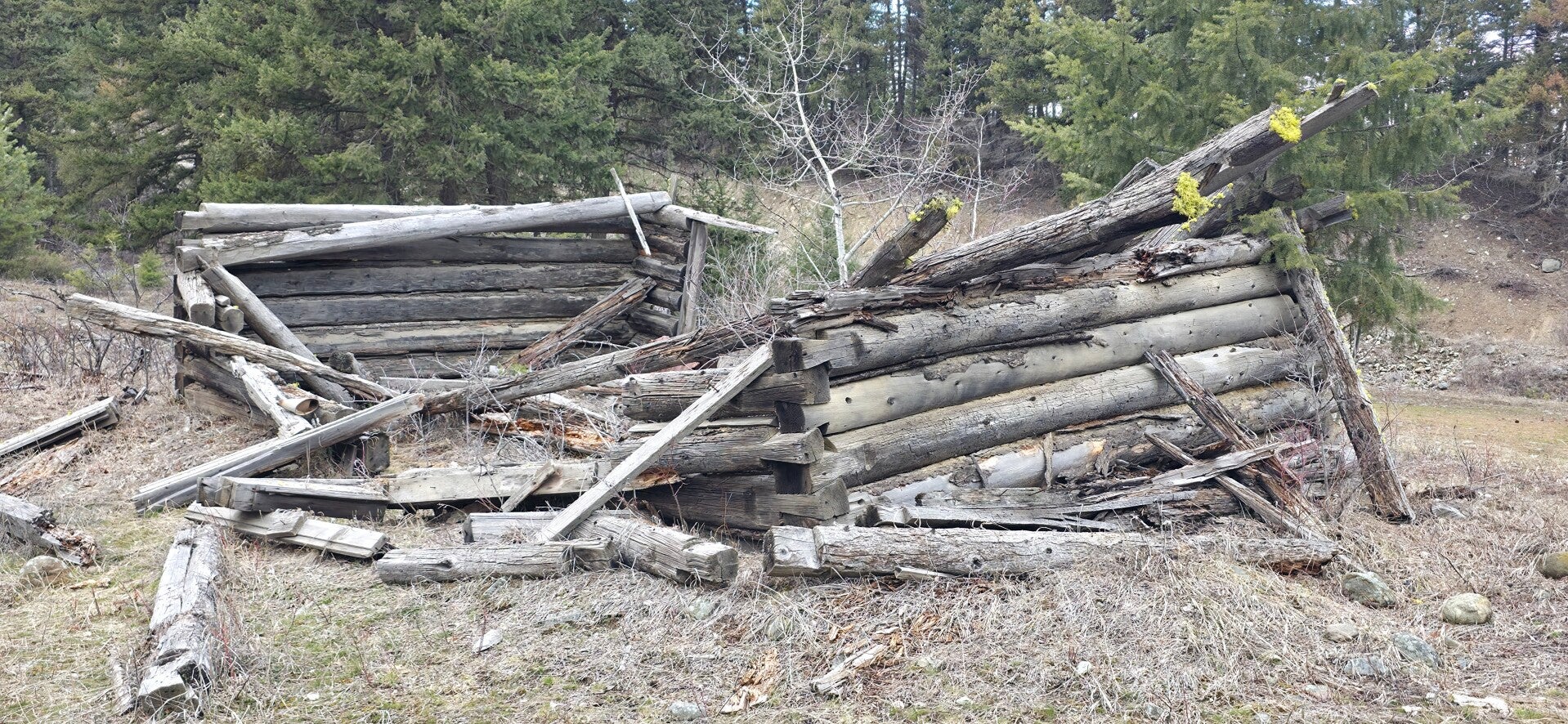
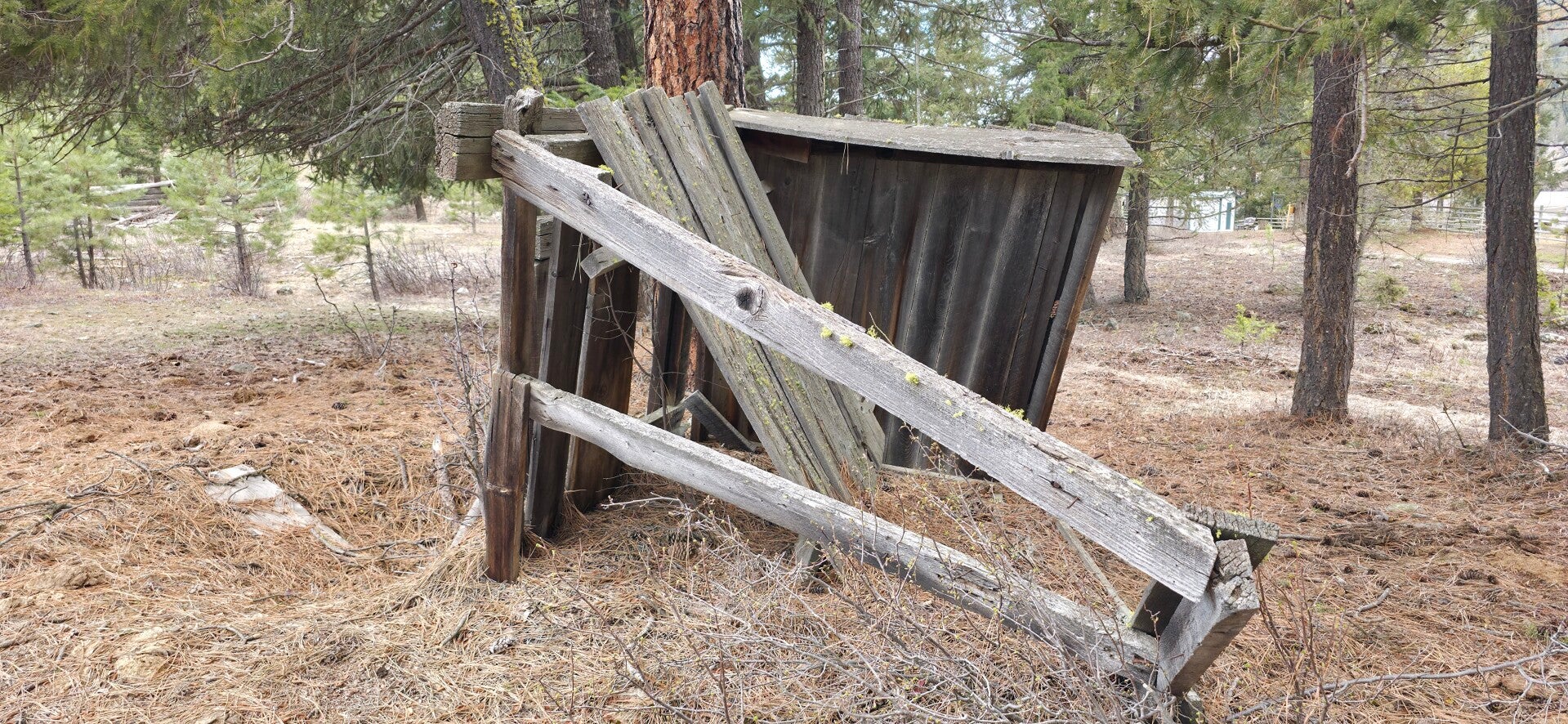
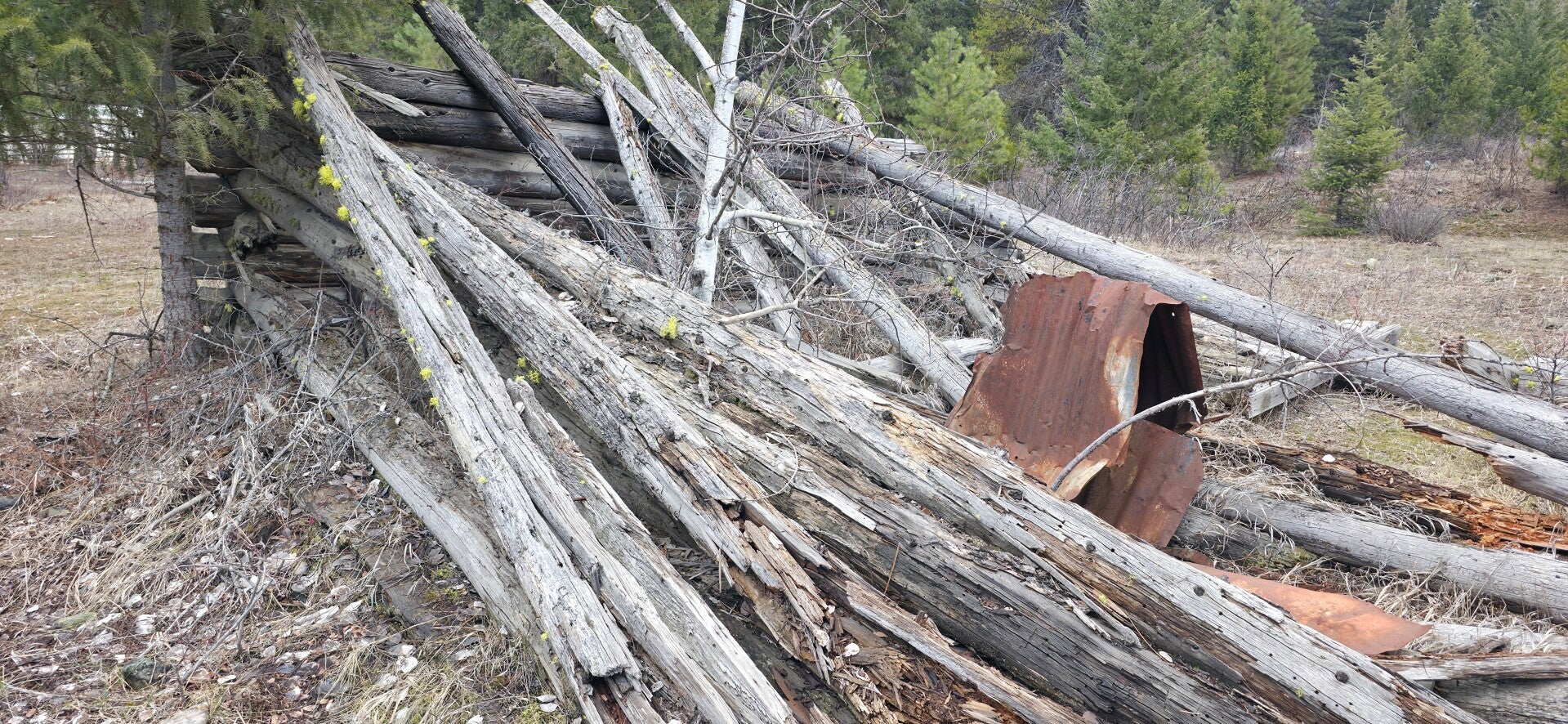
Today, Granite Creek, also known as Granite City, is a quiet reminder of British Columbia's gold rush era. Scattered foundations, rusted cans, old metal, deteriorating cabins and depressions in the ground are among the few remaining clues to a community that once attracted thousands of people.
But in 1885, this was a very different place.
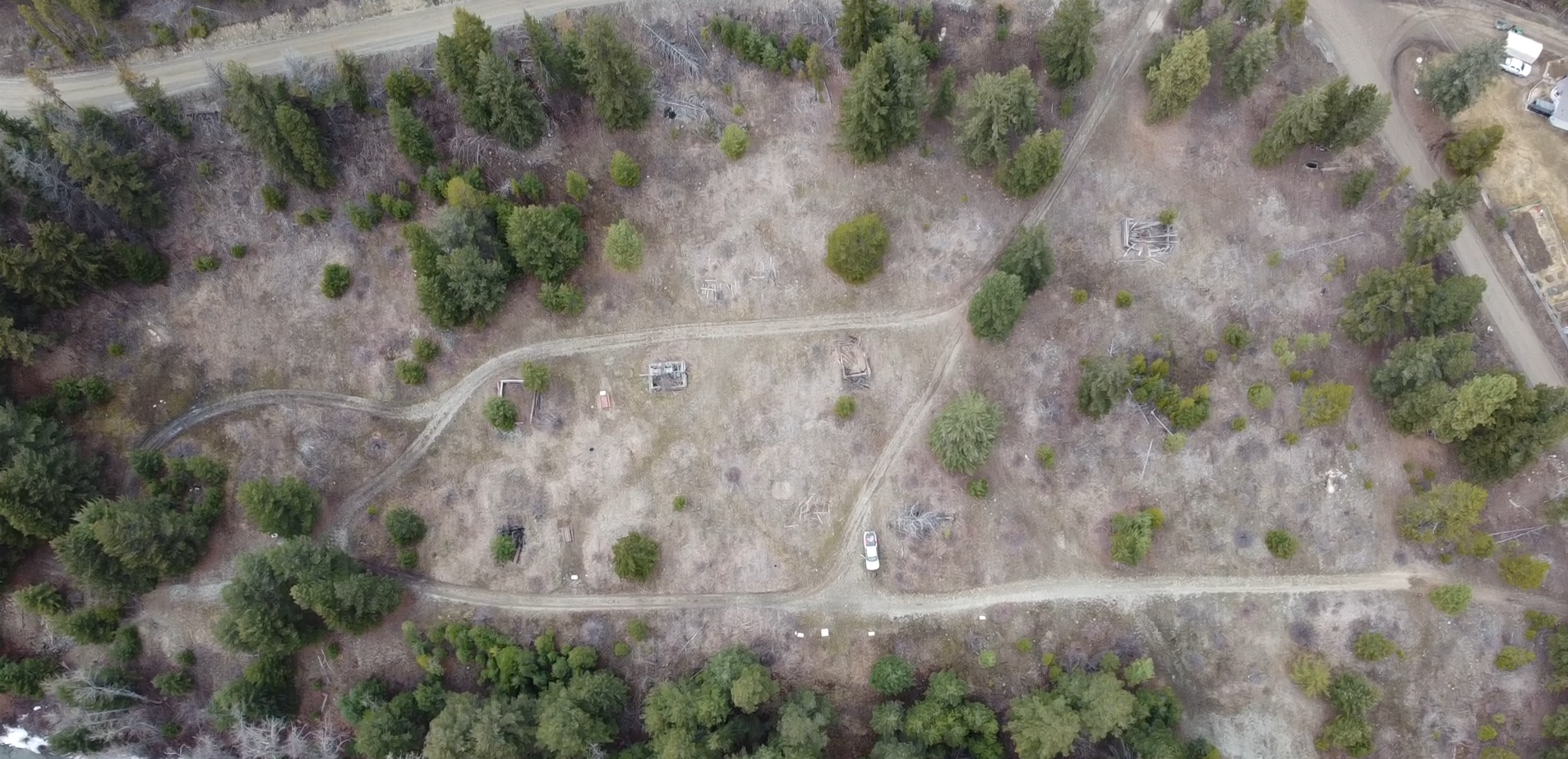
Current (2026) Photo over Granite Creek
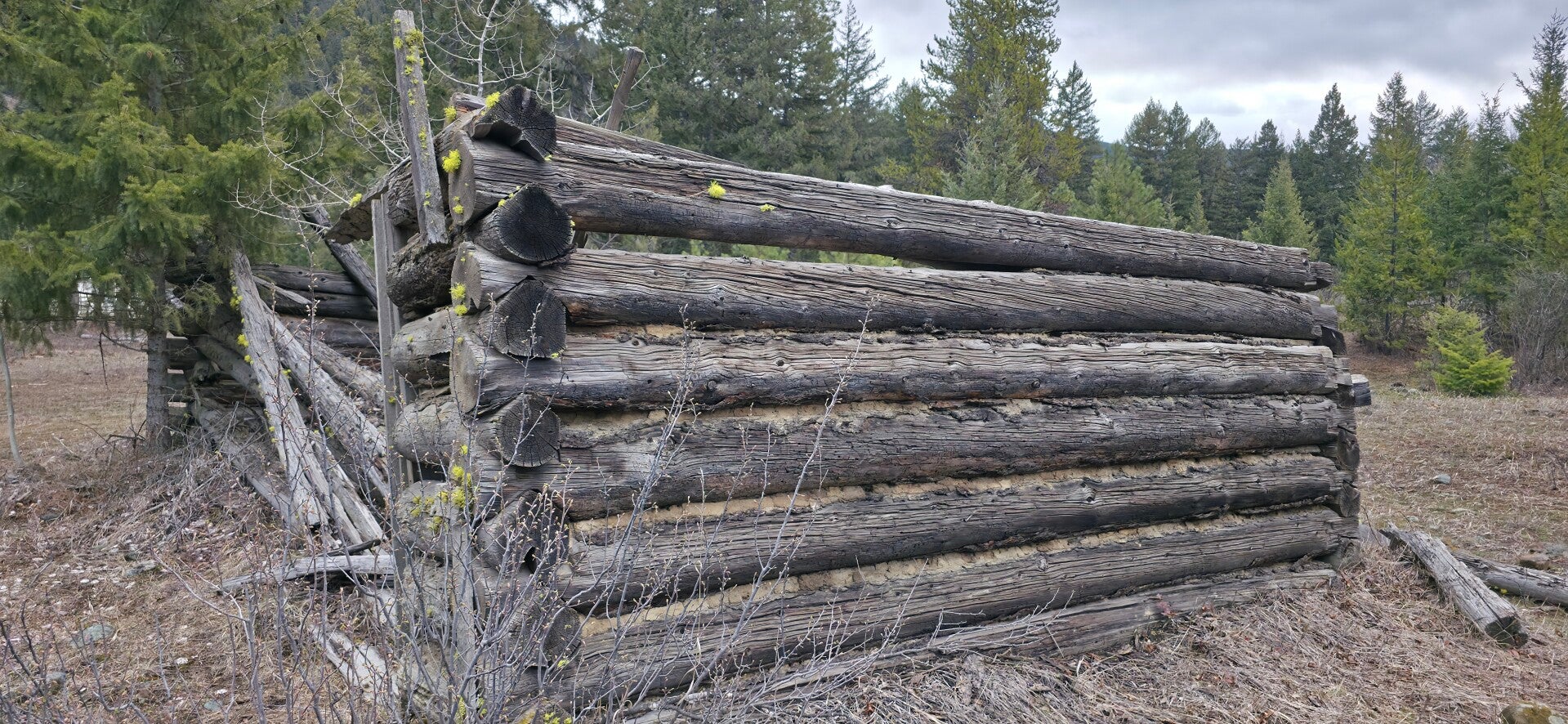
Cabin Remains
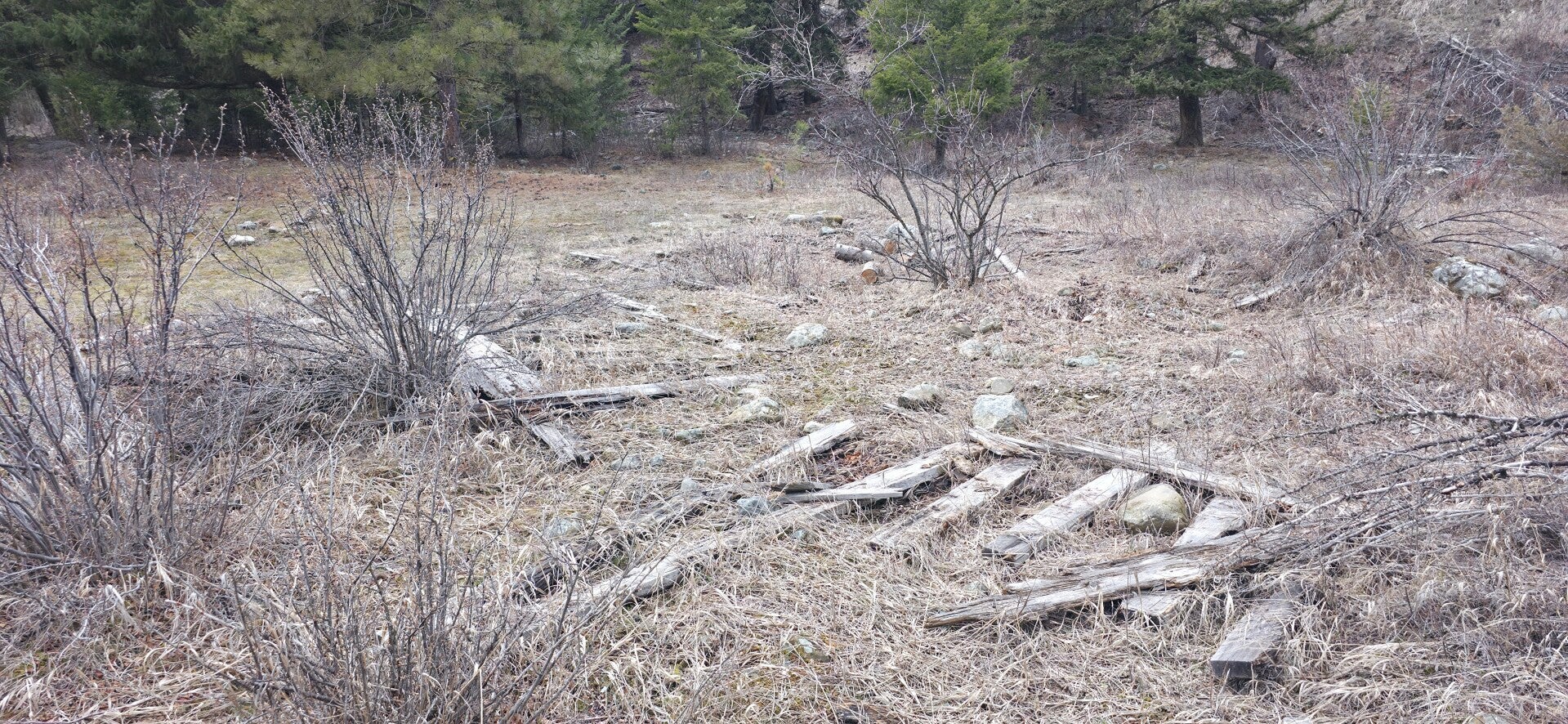
Unknown Remains
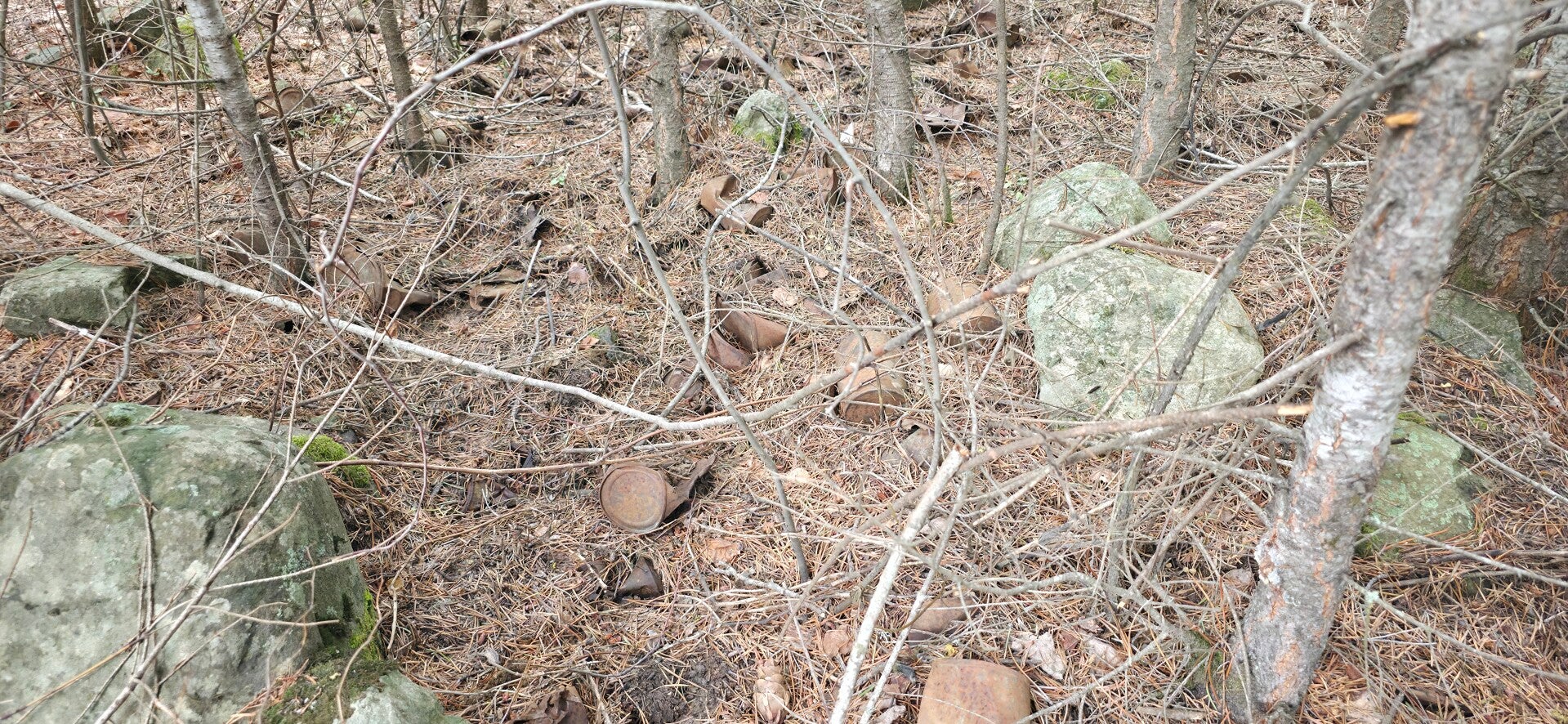
Rusted old cans etc. 2026
A Discovery That Started a Gold Rush
The story of Granite Creek begins in July 1885 with a man named Johnny Chance.
According to one account, Chance was travelling along the Dewdney Trail with a herd of horses destined for New Westminster. After camping beside Granite Creek, he noticed something glimmering in the water while stopping for a drink.
Scooping up a handful of gravel, he discovered traces of gold.
There are several versions of what happened next. One suggests Chance continued on his journey, eventually returning to work the creek. Another, recorded by pioneer settler Mrs. John Fall Allison, describes Chance as a rather reluctant prospector who had been assigned cooking duties by his companions.
In Allison's colourful account, Chance was sent hunting for grouse but instead found a cool place beside the creek to rest. While dangling his feet in the water, he noticed a nugget of gold. Looking closer, he found more.
Allison's recollections, published in the Vancouver Province on May 17, 1931, place the discovery on July 5, 1885.
Other accounts credit different prospectors with the original discovery. Whatever the precise circumstances, the discovery sparked a rush that would transform this quiet creek into a bustling mining community.
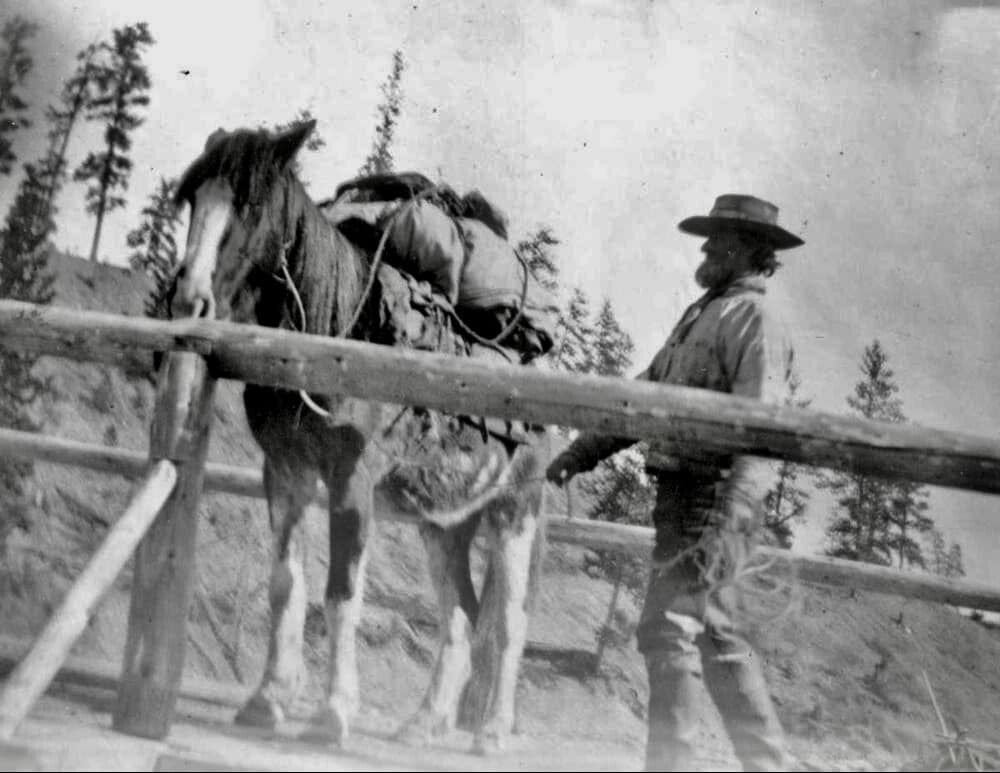
Johnny Chance - Circa 1890

Susan Allison (Mrs. John Fall Allison) as a young woman
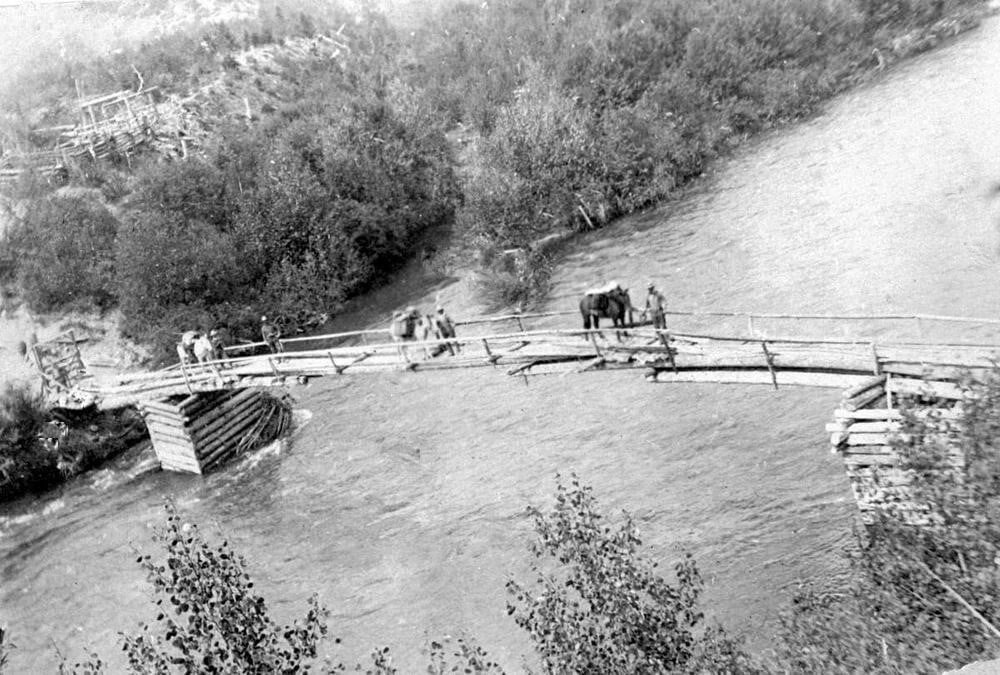
Johnny Chance on Bridge over Granite Creek
Gold Fever Reaches the Similkameen
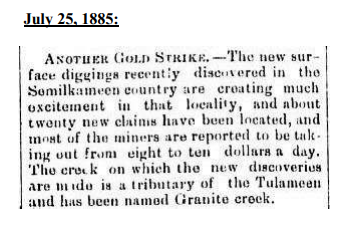
On July 25, 1885, the Daily British Colonist carried a small newspaper report with the headline:
"Another Gold Strike."
The article reported that twenty claims had already been staked and miners were earning between eight and ten dollars per day.
By September, reports were becoming even more exciting.
On September 17, 1885, the Colonist reported:
"The claim of Mr. Chance is paying from fifty to seventy-five dollars per day to the man, while others are paying as well."
News travelled quickly. Prospectors arrived from the Cariboo, the Kootenays and railway construction camps. Others crossed the border from the United States, hoping to secure their own piece of the gold-bearing creek.
By September, approximately two and a half miles of Granite Creek had been staked.
The gold rush was underway.
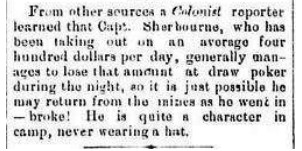
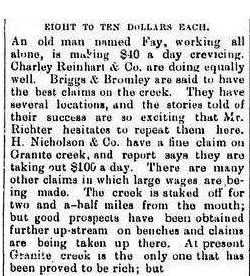
The Birth of Granite Creek
Within months, a town began taking shape.
Granite Creek grew into a busy commercial centre, with hotels, saloons, general stores, blacksmith shops, bakeries and other businesses serving the miners.
Historical accounts suggest that at its peak, Granite Creek was considered the third largest community in British Columbia, behind Victoria and New Westminster.
Some descriptions claim there were as many as 200 buildings, although that figure has been questioned.
The town's two main streets, Government and Granite, were reportedly so narrow that loaded packhorses struggled to pass between the buildings.
By 1886, accounts described as many as fourteen hotels and restaurants, along with jewellers, bakers, blacksmiths and numerous stores.
Life was far from comfortable.
There was no electricity, no municipal water supply and initially no jail or established police force.
Ed Cook, son of F.P Cook, whose family operated a business in Granite Creek, later recalled a camp with as many as 2,000 men and only two married women.
It was a rough mining town, filled with people hoping to make their fortunes.
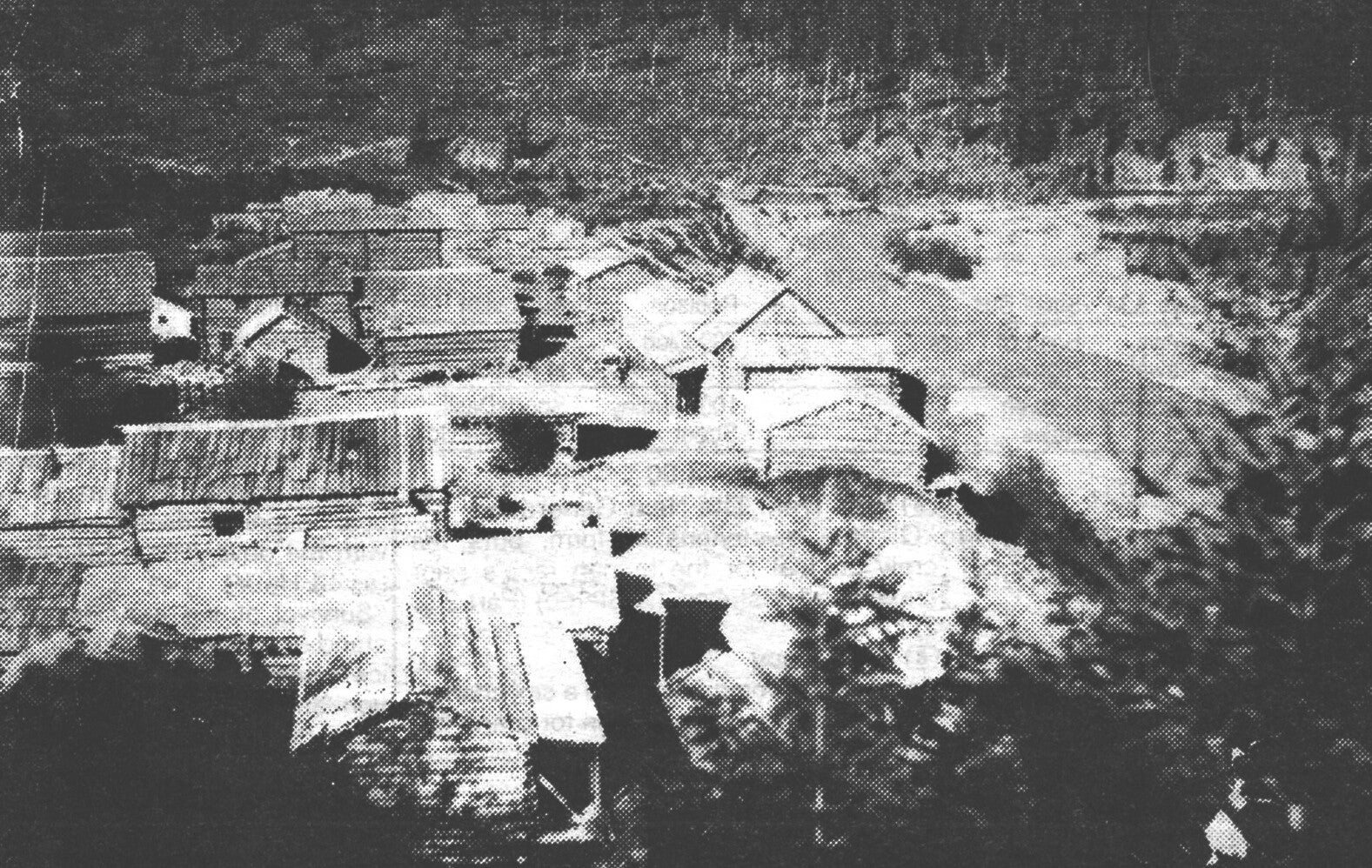
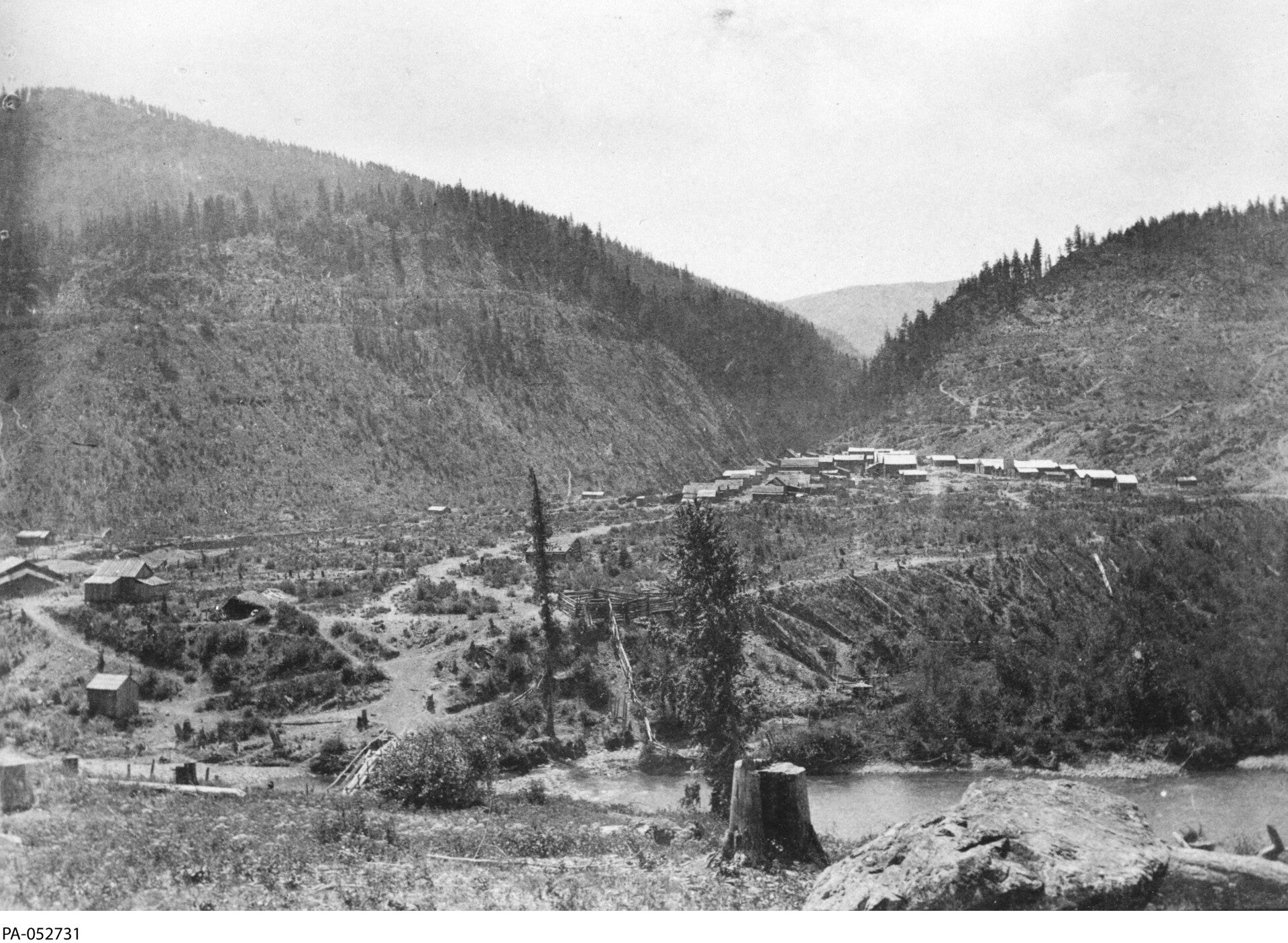
Granite Creek 1888
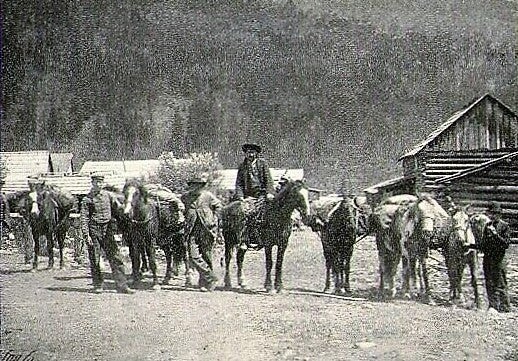
Pack Train at Granite Creek
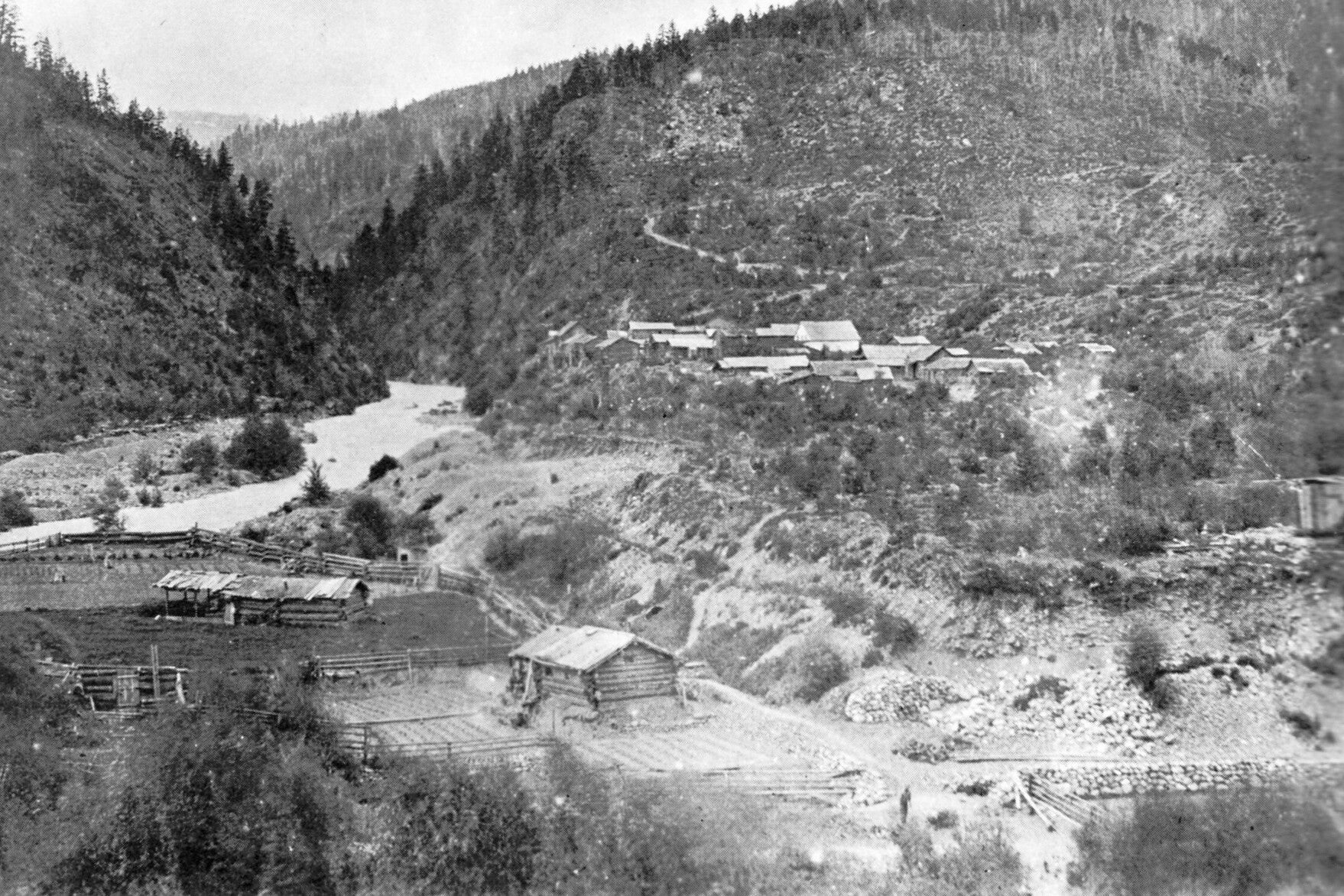
Granite Creek 1890
Granite Creek 1890
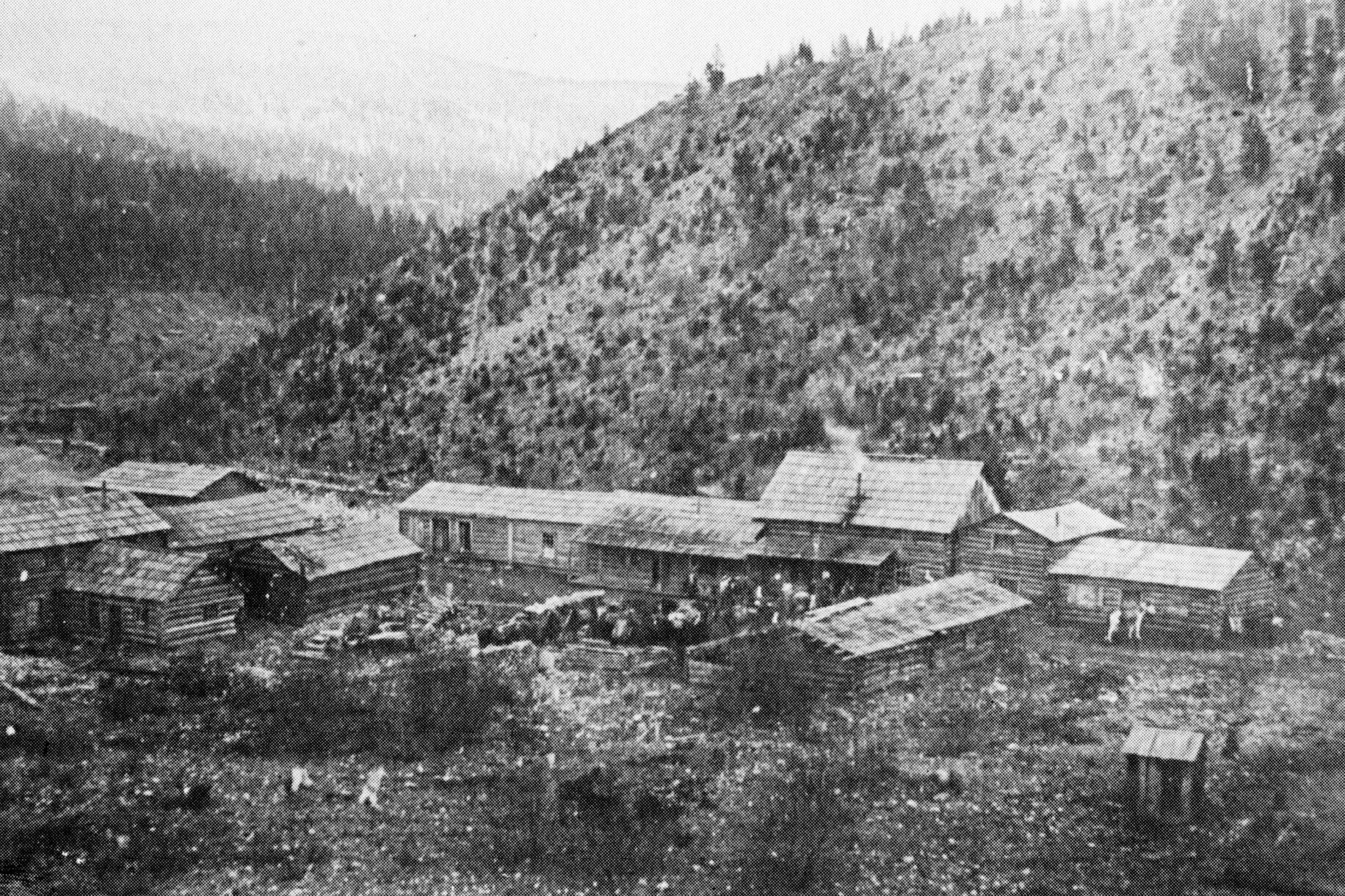
Wallace Hotel and F.P Cook's Store circa -1888
The Chinese Miners of Granite Creek
Chinese miners played an important role in Granite Creek's history.
Many had previously worked on construction of the Canadian Pacific Railway before turning to prospecting.
By the autumn of 1885, historical accounts suggest that hundreds of Chinese miners were working along Granite Creek, with some purchasing claims from other prospectors.
They worked the gravel, recovered gold and helped sustain mining activity even as the initial rush began to fade.
Some continued prospecting in the area for many years.
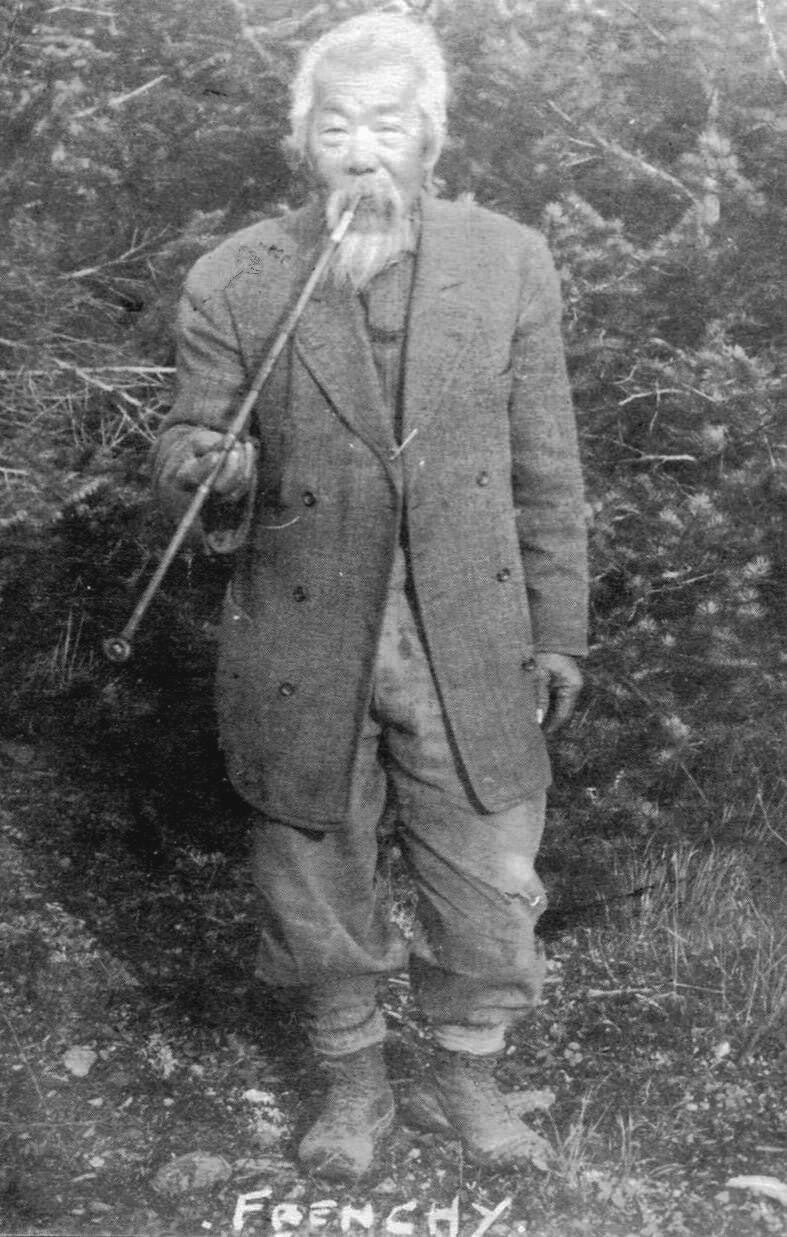
One longtime resident remembered in local accounts was a Chinese prospector known as Frenchy, who maintained a small cabin and vegetable garden below the old townsite.
His story is another reminder that Granite Creek's history continued long after the excitement of the original gold rush had passed.
The Mystery of Granite Creek's White Gold
One of the most intriguing stories from Granite Creek concerns a valuable metal that many miners reportedly discarded.
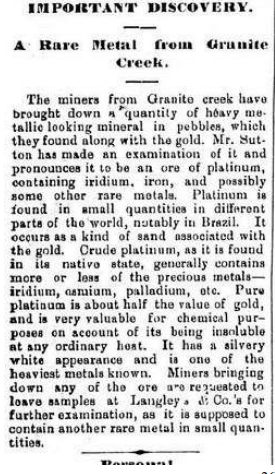
While washing gravel for gold, prospectors occasionally encountered a strange silvery material they called "white gold."
Believing it had little value, some simply threw it away.
The material was platinum.
According to local accounts, some Chinese miners recognized its potential value and saved it. A Scandinavian miner named Johansson was also said to have collected the unusual metal.
Legend tells that Johansson kept his platinum in an open container outside his cabin, where other miners sometimes jokingly added their own unwanted pieces.
By the time he left Granite Creek in 1907, he supposedly possessed between twenty and thirty pounds of platinum.
Unable or unwilling to carry the weight, he reportedly buried it near his cabin.
When fire later destroyed much of the town, the location of his buried treasure was lost.
Over the years, people searched for the missing platinum, but the legendary cache has never been conclusively located.
Whether the story is entirely true remains uncertain, but it has become one of Granite Creek's enduring mysteries.
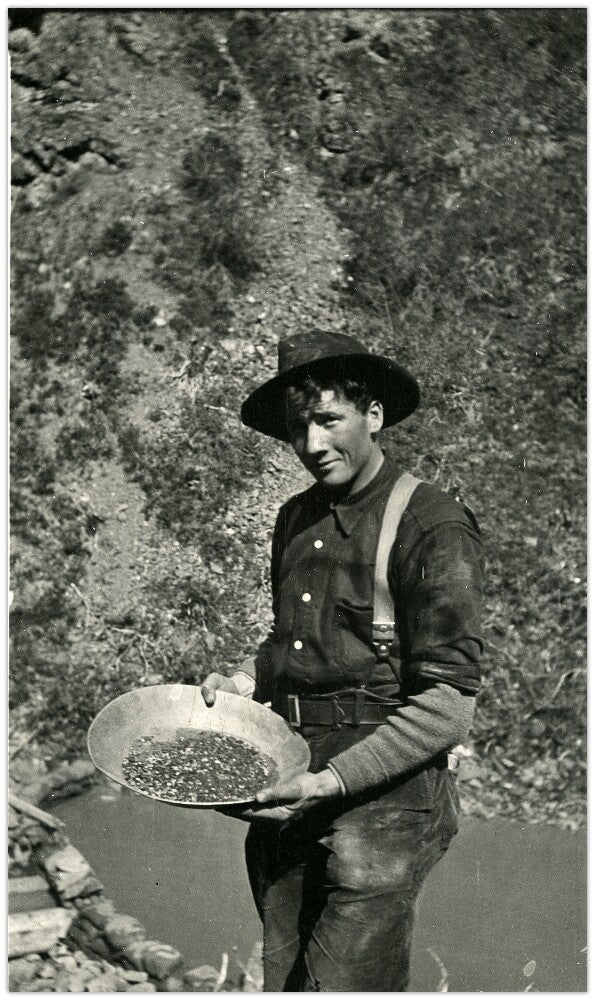
Gold panning on Granite Creek. Date and prospector unidentified
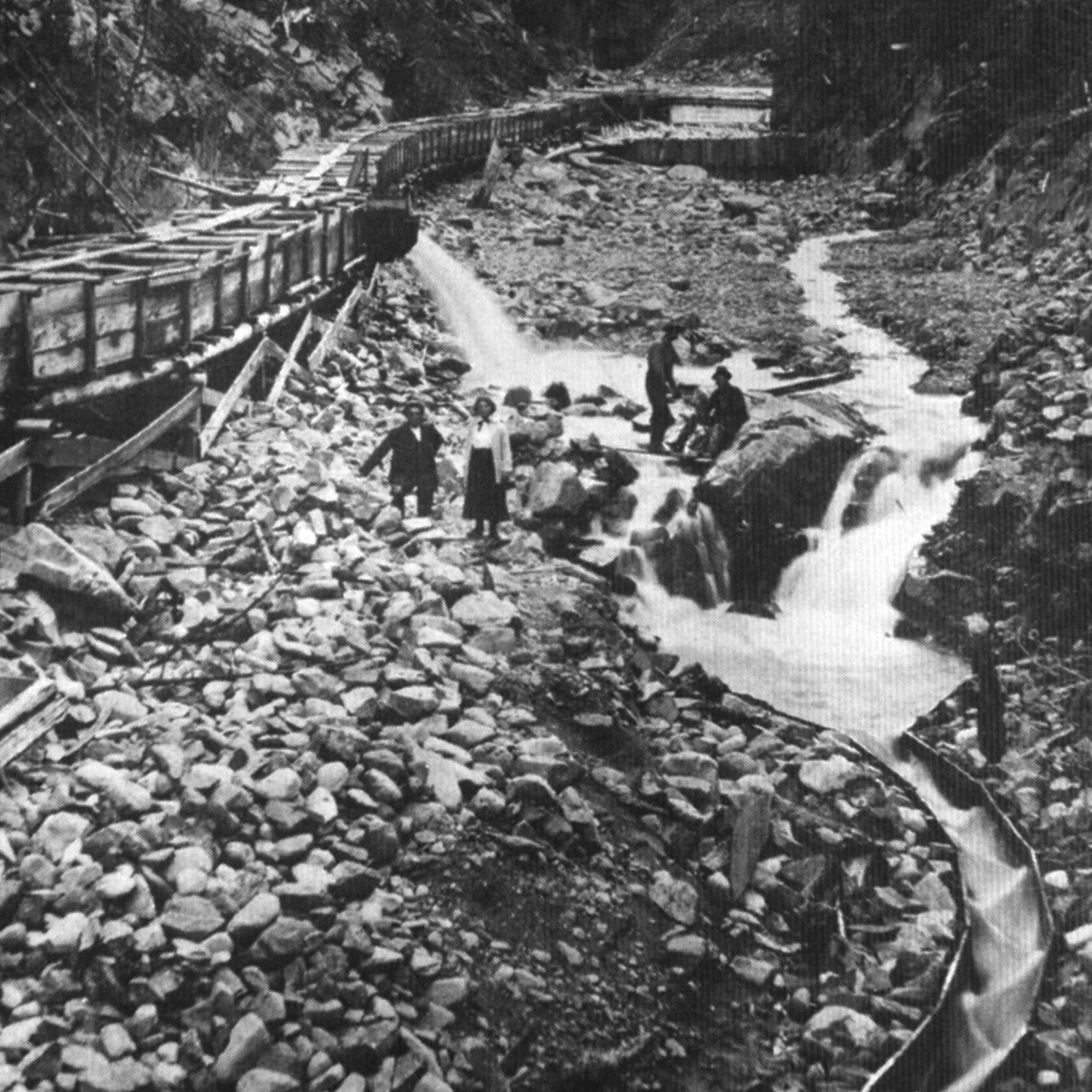
Hitting Bedrock - Granite Creek
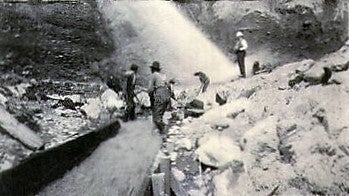
Gold Operation-Granite Creek
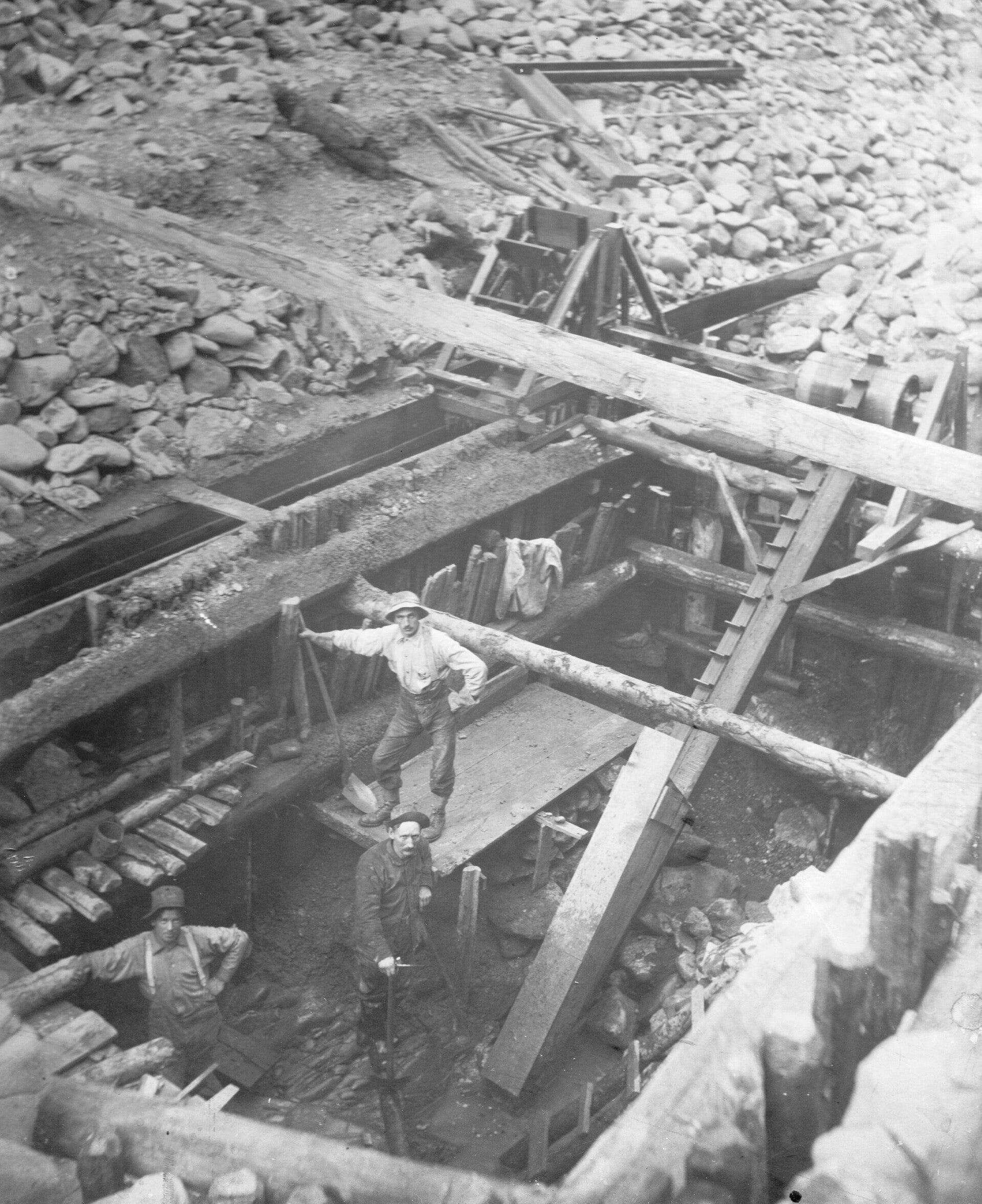
Flume and Water Wheel - Unknown Year
When the Gold Rush Ended
The excitement surrounding Granite Creek did not last.
Although some miners made impressive discoveries, many others arrived too late or found that the gold was not nearly as plentiful as newspaper reports had suggested.
By July 1886, the Colonist was publishing warnings about unemployed miners struggling to survive in the camp.
One report offered the blunt advice:
"Don't go to Granite Creek."
Businesses began closing, miners moved on and the population declined.
In October 1886, pioneer John Fall Allison observed that Granite Creek could continue supporting a small number of miners, but that the original excitement had been greatly exaggerated.
Mining continued in the surrounding area, but Granite City's brief period as a booming commercial centre was over.
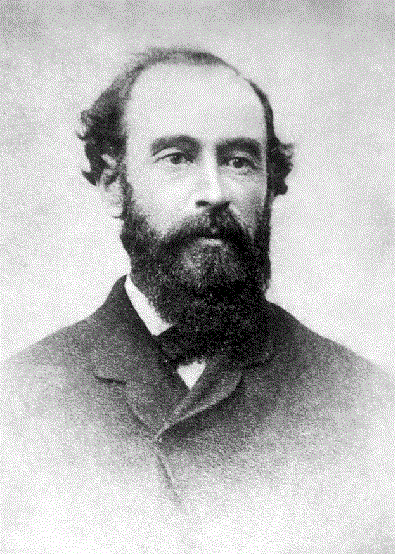
John Fall Allison
The Fire of 1907
April 4, 1907, disaster struck.
A fire reportedly began in F. P. Cook's combined store and residence and quickly spread through the remaining town.
Most of Granite Creek was destroyed.
Among the few buildings reported to have survived were Judge Thomas Murphy's house, the Cariboo House and the old jail.
Cook rebuilt his business and continued operating until 1912, when it was moved to nearby Coalmont.
The fire marked another chapter in the gradual disappearance of Granite City.
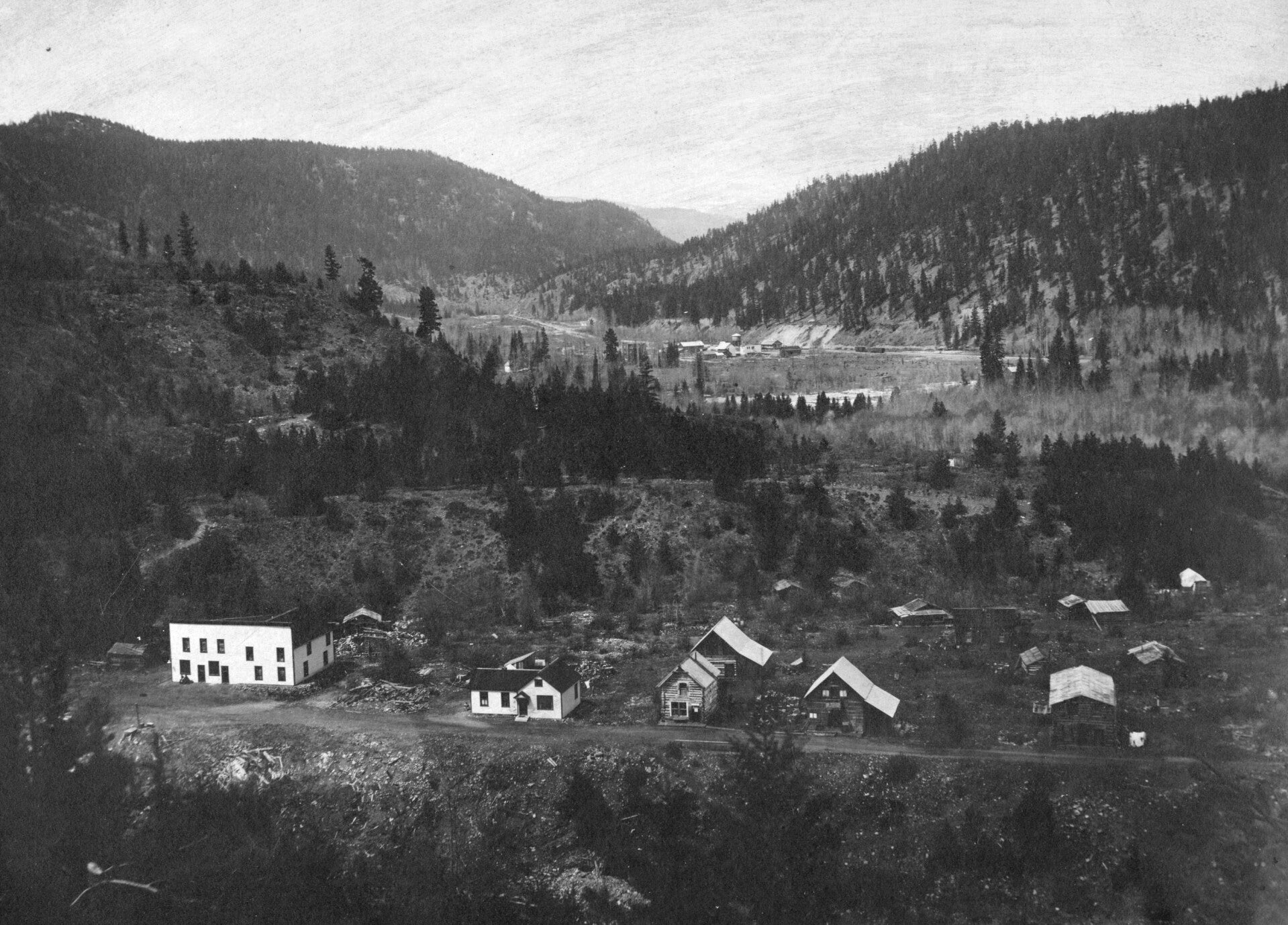
Granite Creek 1907 - Post fire
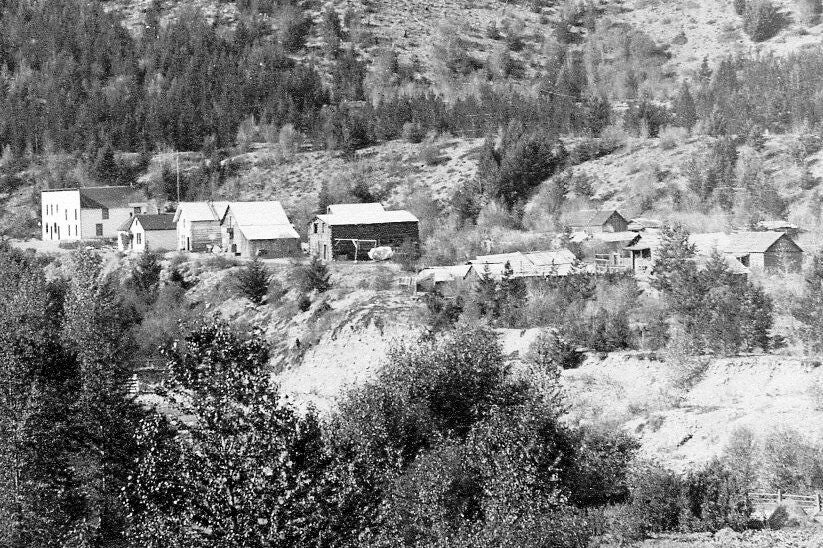
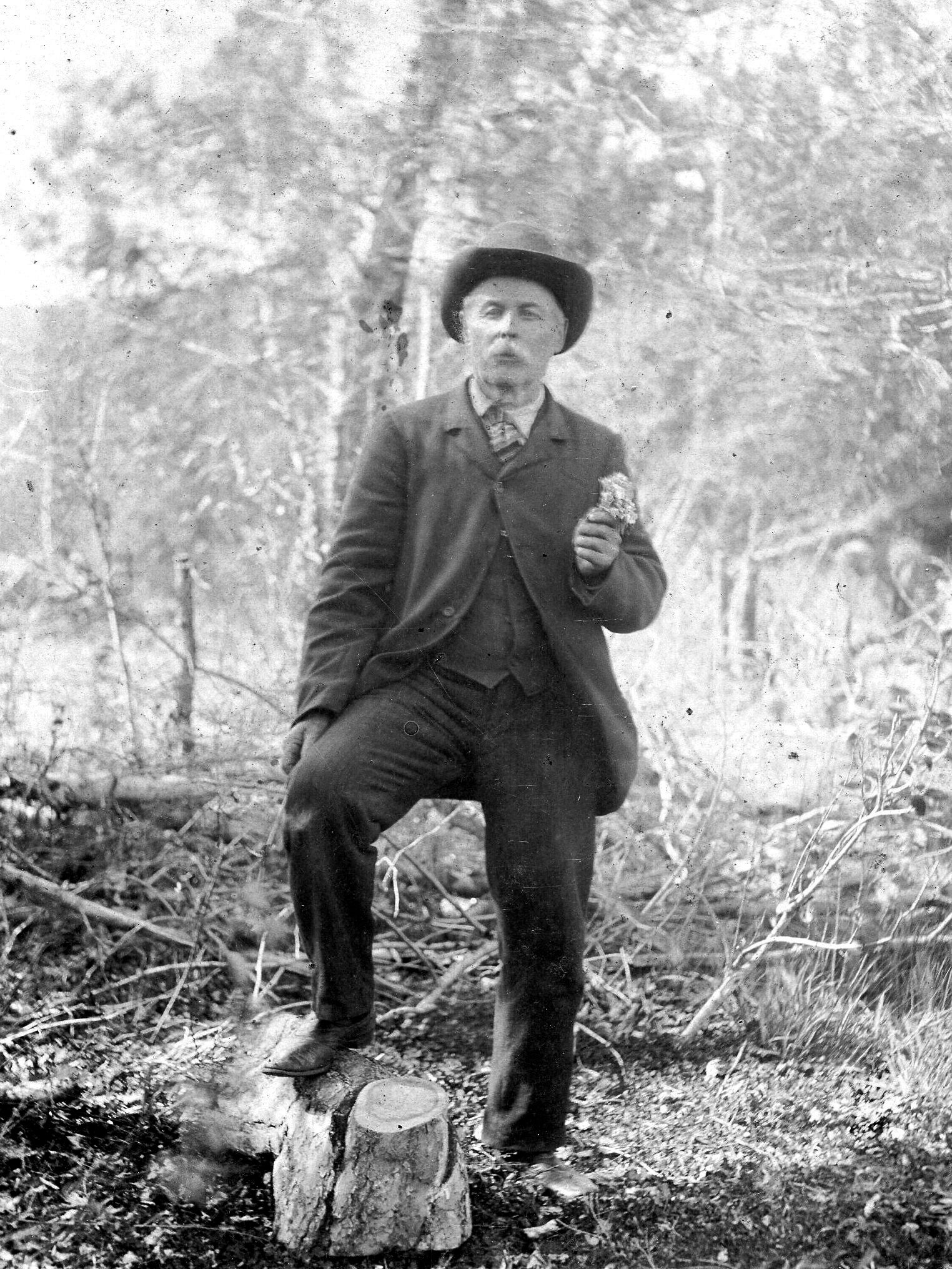
Foxcrowle Percival (F.P.) Cook - Unknown Year
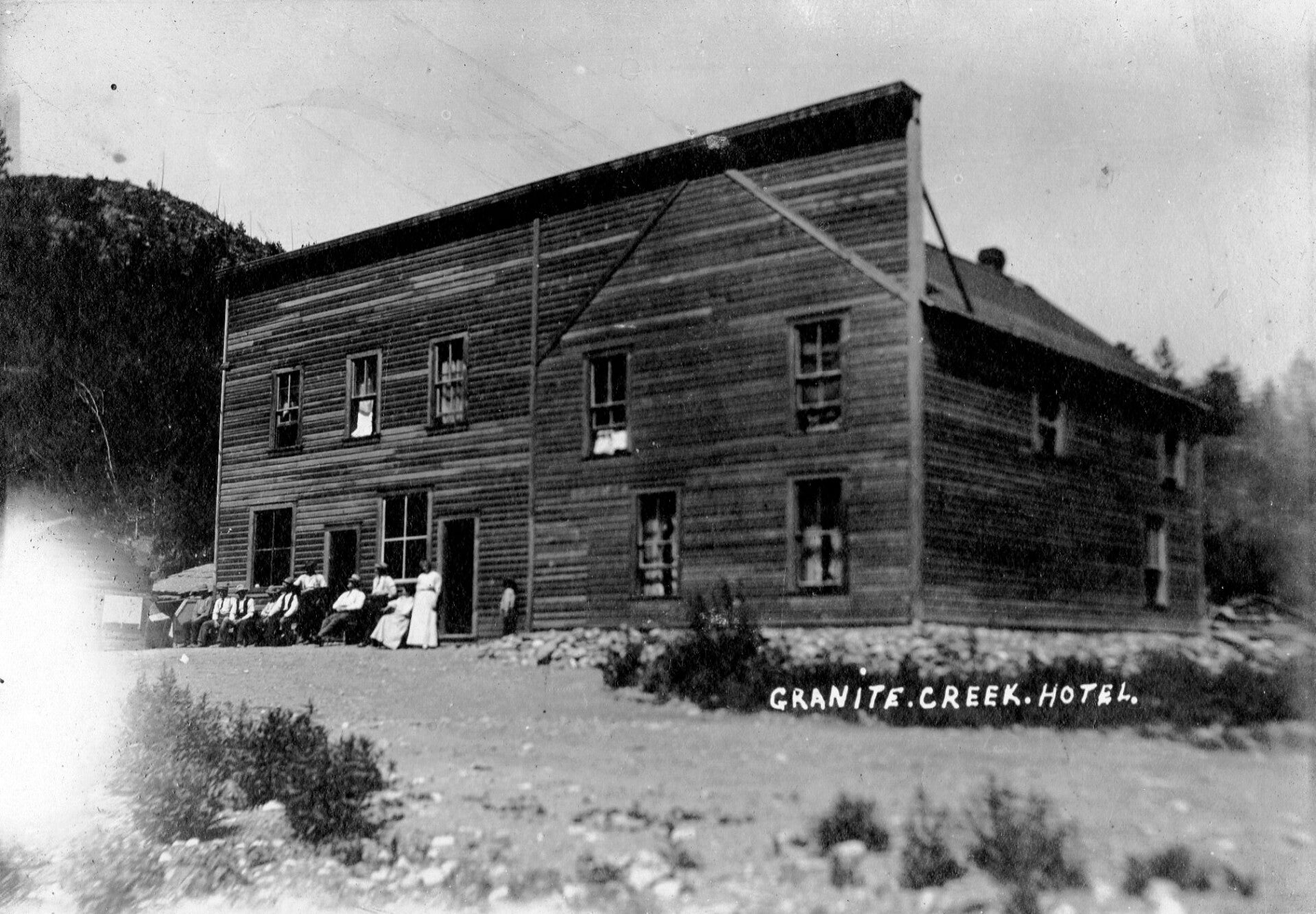
Granite Creek - 1912
Granite Creek Hotel after 1907 Fire
Mining Continued After the Town Was Gone
Although the town itself had largely disappeared, mining activity did not end.
During the twentieth century, larger operations introduced heavier equipment to recover gold from deposits that earlier miners had left behind.
Dredging operations altered portions of Granite Creek and the surrounding landscape.
Remnants associated with this later mining activity can still be found in the area, providing another layer to the site's history.
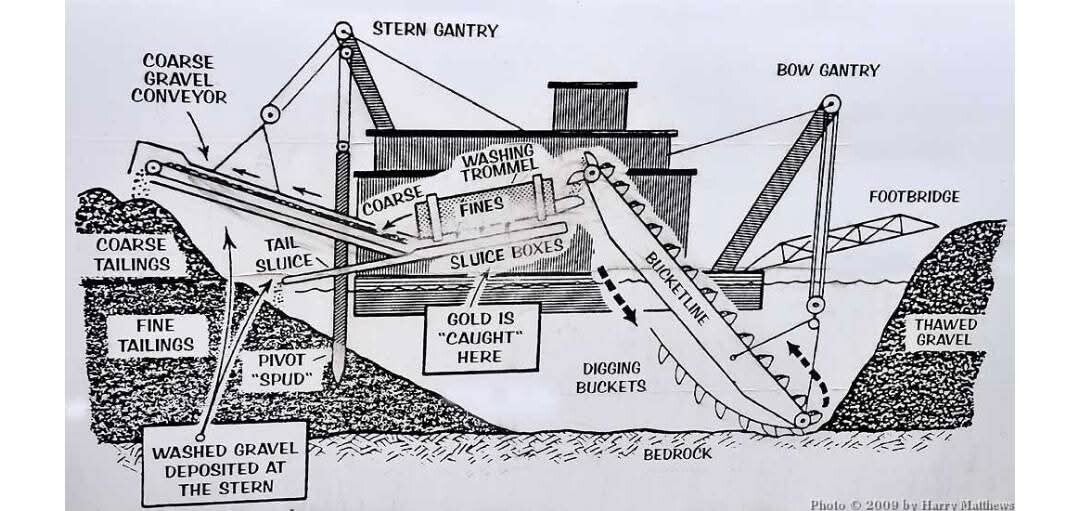
How a dredge works
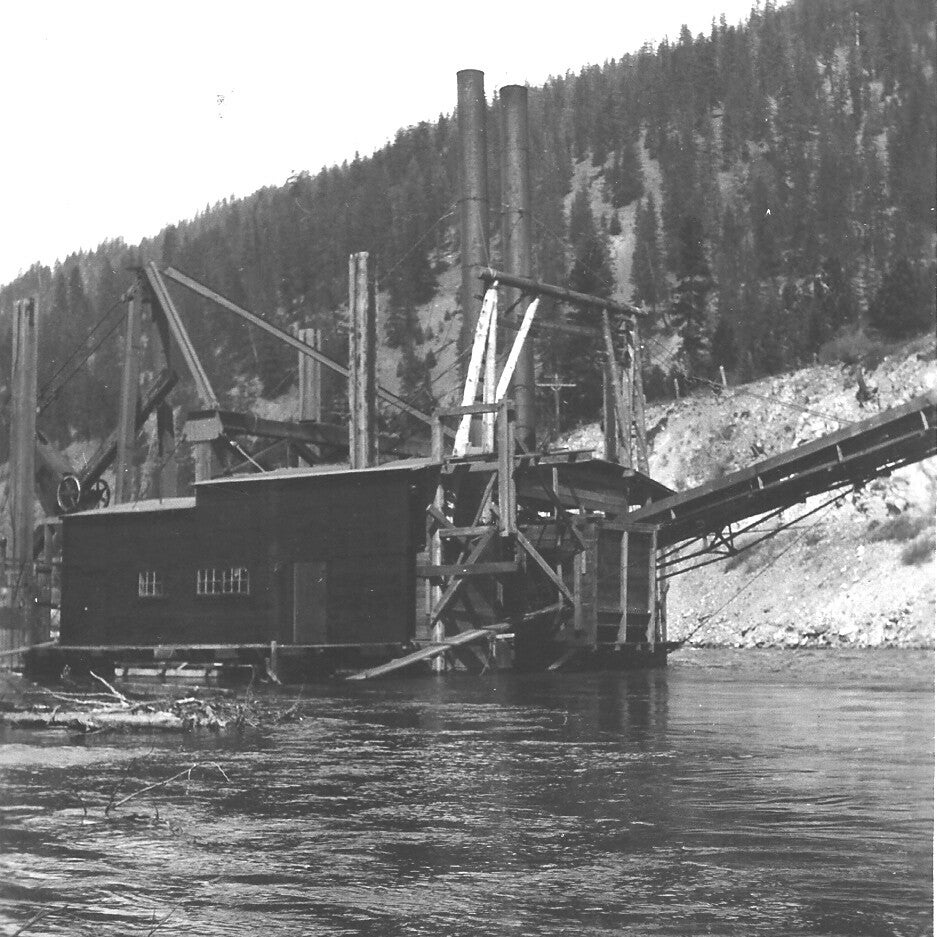
Dredge - Granite creek 1930
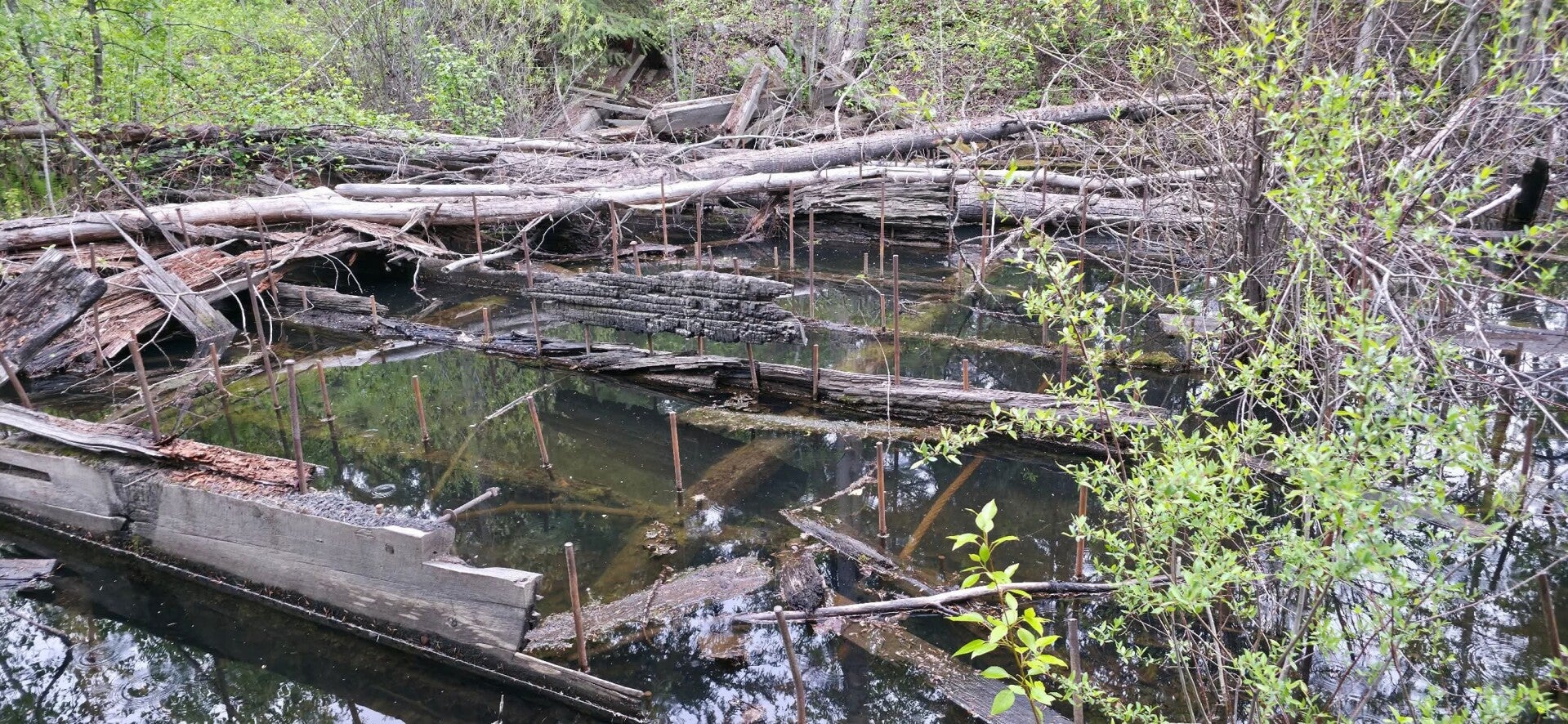
Remains of Dredge - Granite Creek 2026
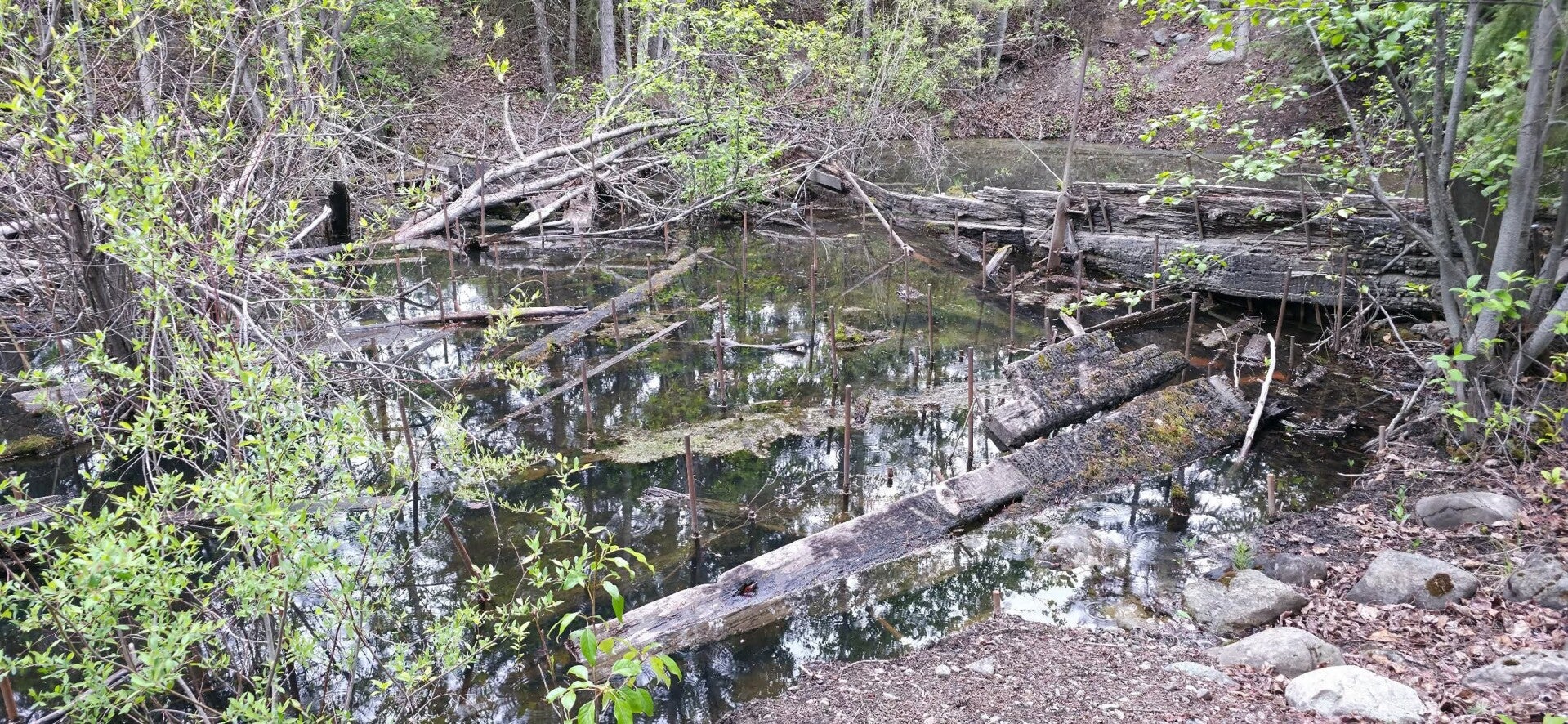
Remains of Dredge - Granite Creek 2026
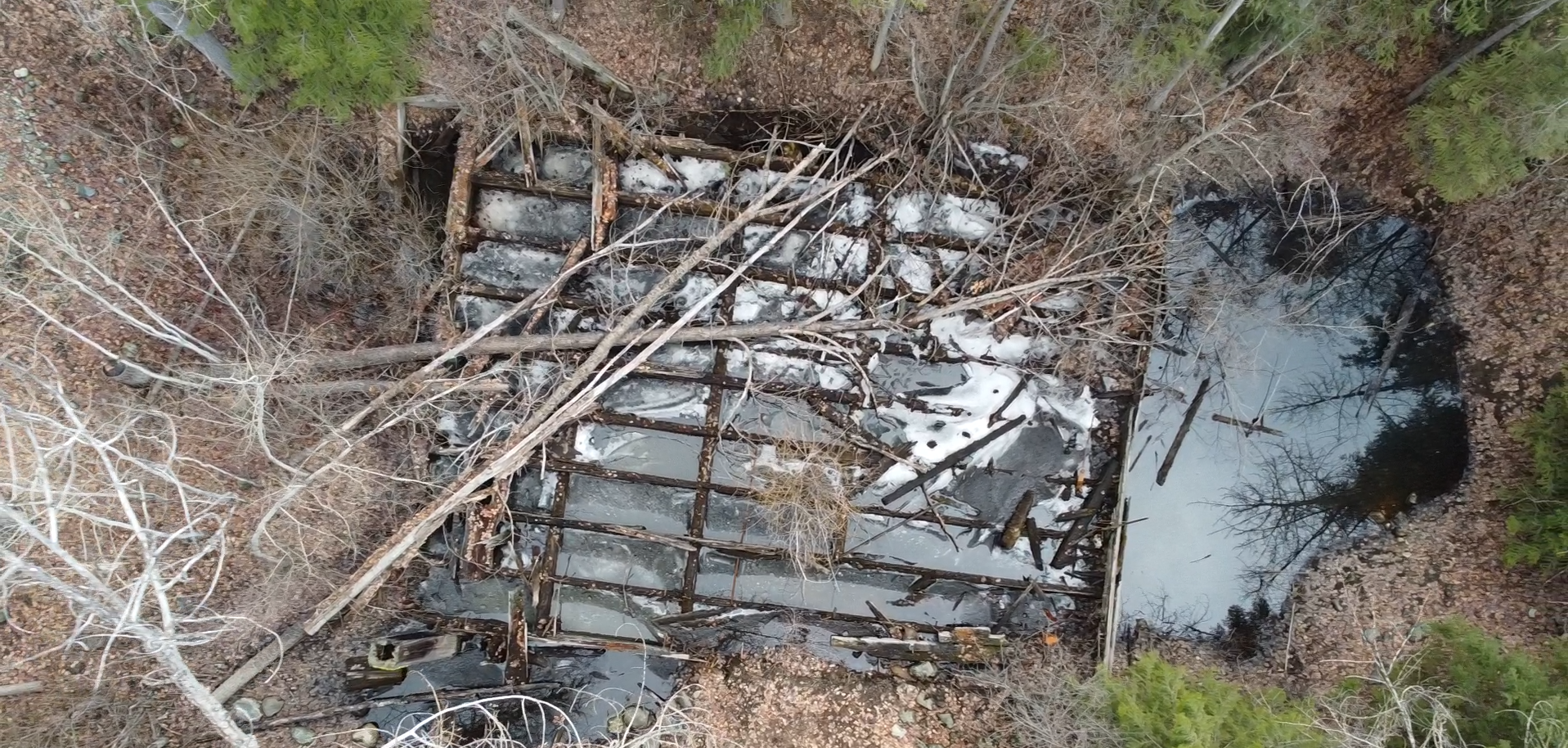
Remains of Dredge - Granite Creek 2026
Exploring Granite Creek Today
During our recent visit to Granite Creek, we explored what remains of this once-thriving community.
It is difficult to imagine that this quiet location once held hotels, saloons, stores and streets filled with miners and packhorses.
Today, there is very little left.
We found old foundations, rusted cans, scattered metal and several depressions in the ground where buildings may once have stood. A couple of dilapidated cabins remain, their weathered wood showing the effects of time and the elements.
From the air, our drone footage offers another perspective of the old townsite and surrounding landscape.
Standing among these remains, it is remarkable to consider how quickly a community can rise, flourish and almost completely disappear.
Granite Creek is more than another abandoned mining town. It is a story of opportunity, hardship, determination and the people who helped shape British Columbia's early history.
The buildings may be gone, but the stories are still here, waiting to be discovered.
Stay Curious. Stay Adventurous.
Dan & Carm
Beyond the Map Media 2026
Enjoyed This Discovery?
There's more history waiting to be uncovered. Explore ghost towns, historic railways, mining camps, and backcountry discoveries across British Columbia.
← Back to The Explorer's Journal